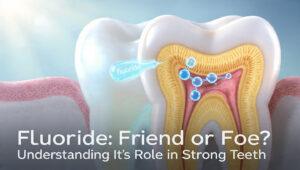
Cavities don’t start with pain. They start quietly — a tiny soft spot on your tooth, a small area of weakened enamel, or a bit of sensitivity you easily ignore. By the time a cavity actually hurts, the damage has already reached deep inside the tooth. That’s why early cavity detection is one of the smartest things you can do for your oral health and your wallet.
In simple terms: the earlier a cavity is found, the easier and cheaper it is to treat. Regular dental checkups help catch tooth decay long before it becomes a painful or expensive problem.
What Really Happens When a Cavity Starts
Many people imagine cavities as sudden holes, but that’s not how they begin. A cavity starts as enamel demineralization — a stage where bacteria break down the minerals in your teeth. At this point, you won’t feel any pain at all. You may not even see the early signs.
This stage is called incipient decay, and the good news is:
✔ It can often be stopped
✔ It can sometimes be reversed
✔ You don’t need drilling or injections
But once the decay eats through the enamel and reaches the dentin layer, the soft inner tooth tissue, the cavity grows much faster. That’s when you need a filling to prevent further damage.
Why Early Detection Saves Money
Think of dental treatments as a ladder. The higher you climb, the more expensive and complex it gets.
1. Early Stage – Cheapest & Easiest Treatment
When decay is caught early, your dentist can treat it with:
- Fluoride application
- Minimal intervention restorations
- Preventive cleaning
These treatments are quick, painless, and cost a fraction of advanced procedures.
2. Mid Stage – Fillings Needed
If the cavity grows, a dental filling is required. It’s still affordable, but more involved than early treatment.
3. Late Stage – Expensive & Painful
Ignored cavities don’t stay small. They can lead to:
- Severe toothache
- Infection
- Root canal treatment
- Crowns
- Extraction followed by implants or dentures
These advanced treatments can cost 10–20 times more than a simple early intervention.
So investing in a small dental visit today can save you from big bills in the future.
Why Cavities Are Easier to Treat Earlier
✔ Minimal Pain or No Pain At All
Early cavities don’t hurt, and neither does their treatment. A small filling takes minutes and doesn’t require much drilling.
✔ More Tooth Structure Saved
Your natural tooth is always better than any artificial restoration. Early detection lets the dentist remove minimal tooth material, preserving strength and function.
✔ Lower Chance of Complications
Untreated cavities can spread to the nerve, causing infections or abscesses. Early detection stops this risk.
How Dentists Spot Cavities Early
You may brush daily, floss regularly, and still miss early decay. Dentists use a combination of tools to detect cavities even before they become visible:
- Intraoral cameras to view tiny spots
- Digital X-rays to catch hidden decay between teeth
- Cavity-detecting lasers for accurate diagnosis
- Manual examination of pits and grooves
Regular dental checkups every 6 months ensure early detection is always possible.
Why You Shouldn’t Wait for Pain
Pain is the last symptom of a cavity, not the first. When you wait for pain:
- Decay has already reached the nerve
- Treatment becomes complex
- You risk losing the tooth
Many patients say, “It wasn’t hurting, so I thought it was fine.” Unfortunately, cavities don’t show pain until the damage is advanced.
How You Can Prevent Cavities Before They Start
Here are simple everyday habits to keep your teeth cavity-free:
✔ Brush twice daily with fluoride toothpaste
✔ Floss once a day
✔ Limit sugary snacks and sticky foods
✔ Drink plenty of water
✔ Avoid constant snacking
✔ Visit your dentist regularly
Professional cleanings remove plaque and tartar that home brushing can’t.
Final Thoughts
Early cavity detection is one of the most powerful tools for maintaining strong, healthy teeth. It prevents discomfort, protects your natural tooth structure, and keeps dental costs low. A small issue caught early stays small — but a cavity left untreated can quickly turn into an expensive problem.
If you’ve been delaying your dental visit, now is the right time to schedule one. Your teeth — and your wallet — will thank you later.